

At Baron Boutique every satin silk men’s solid color neckties are handmade by skilled craftsmen to the highest standard to assure that every silk necktie meets our quality requirements. Our silk neckwear comes in a large assortment of solid colors to fit any occasion. These handmade custom neckties are made from 100% pure satin silk. The satin weave used for these ties gives it a slightly glossy finish that’s smooth and has no obvious weft.
$119.00 USD


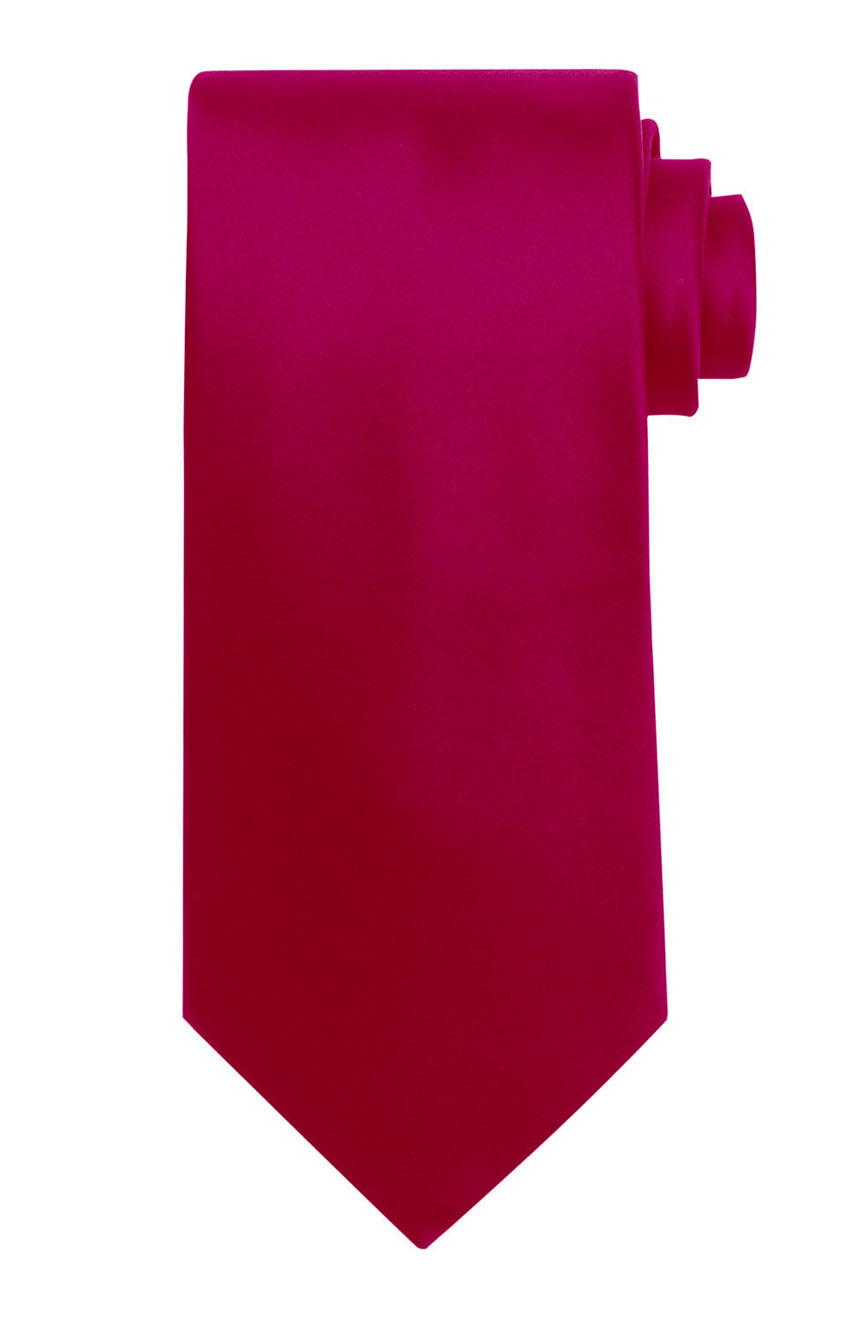


Mens Satin Silk Neckties Solid Color Handmade
$119.00 USD
✂Free test garment firstWe only cut cloth after you confirm the fit
◷6–8 weeksHand-tailored production
✈Tracked worldwideDHL · UPS · FedEx
Ask a question about this piece
Any Questions about this product? Please feel free to ask.
Description
A line of men’s silk neckties handmade from solid color satin silk with a distinctive look. These solid color neckties for men make a stylish and unforgettable impression. Perfect for men who like solid and vibrant silk colors.
Packaging of our hand made Satin Silk Neckties


The solid silk necktie is the cornerstone of a gentleman’s wardrobe—the central axis around which a tailored ensemble is built. It is a singular statement of purpose and occasion. Our interpretation, rendered in 100% pure satin silk, is a study in classic form and flawless function.
The Art of the Knot
Constructed with a pure silk lining and a concealed, hand-sewn slip stitch, this necktie is designed to tie a perfect, enduring knot and to recover its shape after a day’s wear. The subtle luster of the satin silk provides a touch of quiet luxury, serving as the essential finishing element for your custom-made suits.
A Personal Commission
This necktie is offered in a comprehensive library of solid colors, providing a precise chromatic foundation for any look. While our standard dimensions are designed for a classic proportion, we welcome personal commissions. Should your vision require a specific length, width, or a unique color not found in our collection, our atelier is at your service to create a tie that is, in every sense, uniquely yours.
Dry-clean.
Mens Handmade Silk Neckties Feature
- handmade by Baron Boutique in 7 days
- crafted from 100% pure satin silk with expert care and precision
- satin silk weight 18.5 momme or 80 grams per square meter, 1 momme = 4.340 grams
- available in skinny, standard, and extra-large width
- bias cut in a 45-degree angle
- standard tie length of 60 inches (152 cm)
- three-fold construction
- sewn interlined in wool
- tie lined in silk
- hand-slip stitched
- self-tipping and double-tacked
- bar tack stitch
- bar tack on the blade
- custom tie length available for free
- custom satin silk colors are available upon request
What is a silk necktie?
A silk necktie or silk tie is an item of apparel made from pure or mixed silk worn around the neck for decorative purposes. The silk necktie is tied in a knot at the throat.
How to store silk neckties?
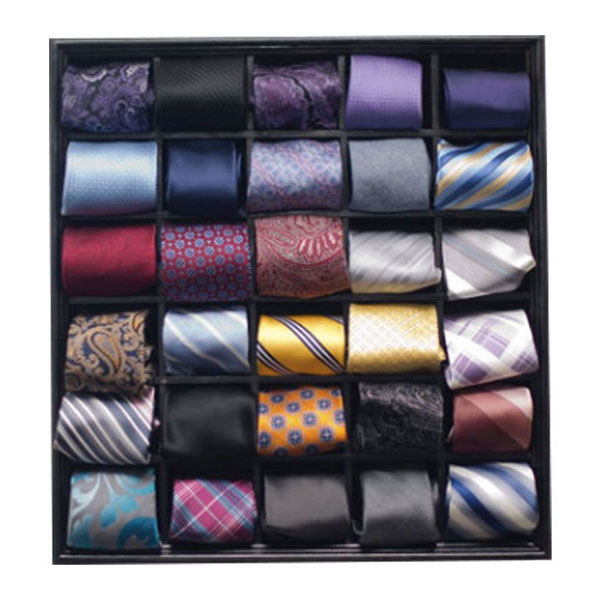
Store the silk neckties by rolling or hanging. You can store silk neckties in many other ways, but these are the most common two.
Rolling: Fold the necktie in half without the knots and roll from the thinner end. Store your rolled ties in a drawer with a drawer organizer or a container. Do not stack rolled ties or put anything on top, as any weight will cause the neckties to lose their shape.
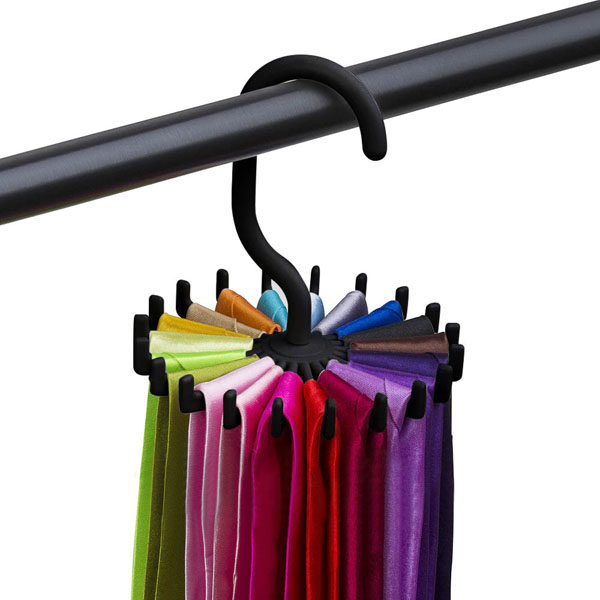
Hanging: The best way to hang a silk necktie is to hang it on a tie rack. This is the most wrinkle-free way to store silk neckties. The tie rack should be placed in a cool, dry area, or the closet.
About Baron Boutique
Founded in Kathmandu, Nepal in 2000, Baron Boutique has spent over 25 years creating bespoke garments with a focus on artisanal craftsmanship, dramatic design, and collector-quality tailoring. From cinematic-inspired coats and formalwear to handcrafted cashmere pieces, every garment is made with precision, individuality, and attention to detail.
Today, Baron Boutique operates internationally from Dubai while all bespoke tailoring and garment production remains rooted in the Kathmandu workshop where the brand began.
Our customers come back because the fit is right and we answer emails. Every garment is made by a human tailor whose name we know.
You must be logged in to post a review.
You may also like…
 $739.00 USD
Most women’s frock coats sold online are polyester costumes in small, medium and large, and the waist, the one line a Victorian coat depends on, lands wherever the size chart puts it. This women’s frock coat is cut to your own measurements in Super 120s wool flannel, with three rows of black frog braiding, a black faux fur collar and a deep pleat at the back. Before we cut the wool, we send you a free test coat to try on at home, and it is yours to keep. Burgundy as shown, or any of nine other colors at the same price.
Select options This product has multiple variants. The options may be chosen on the product page- $719.00 USD
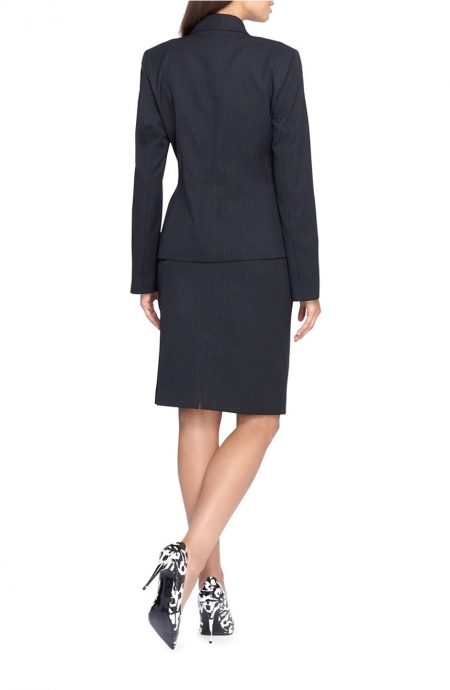
The problem with most skirt suits is not how they look standing still. It is the skirt creeping up as you walk and clinging to tights when you sit. This custom skirt suit is cut to your measurements in Super 120s pinstripe wool, with a peak lapel jacket and a fully lined pencil skirt that has a back slit and a grip waistband, so it stays where you put it. Prefer trousers or a different length? Just ask. Before we cut the wool, we send you a free test suit to try at home, and it is yours to keep.
Select options This product has multiple variants. The options may be chosen on the product page  $259.00 USD
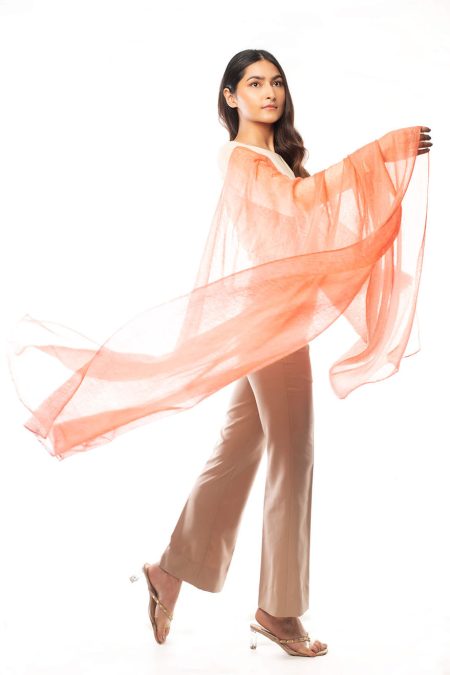
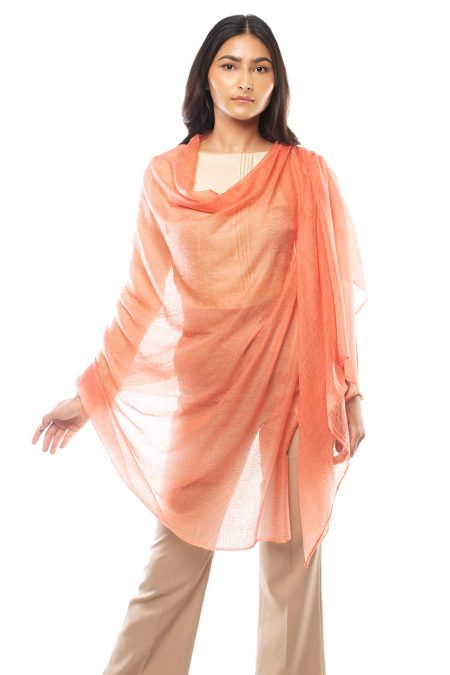
A salmon pink scarf and shawl in 100% Grade A cashmere, 40 x 80 inches, woven by hand in Kathmandu. A warm pink with orange in it that works like a neutral with cream, beige and camel, sheer and light enough to drape. Handmade to order and delivered within 2 to 3 weeks, with free tracked shipping worldwide.
- 100% cashmere, 14 to 16 microns, no wool, viscose or acrylic
- 40 x 80 inches (1 m x 2 m), about 70 g (2.5 oz)
- Wear it open, over the shoulders, wrapped long or looped
- Fiber from the Tibetan Plateau, handwoven in Nepal
- Azo-free dyes
- $599.00 USD
Bond’s navy blue coat from Spectre is sure to add a touch of sophistication this season. The custom-made Craig’s Spectre coat is essential and synonymous with the spy lifestyle. Show your depth of fandom in this 3/4 long length navy blue coat with a matching velvet collar.
Select options This product has multiple variants. The options may be chosen on the product page - $399.00 USD
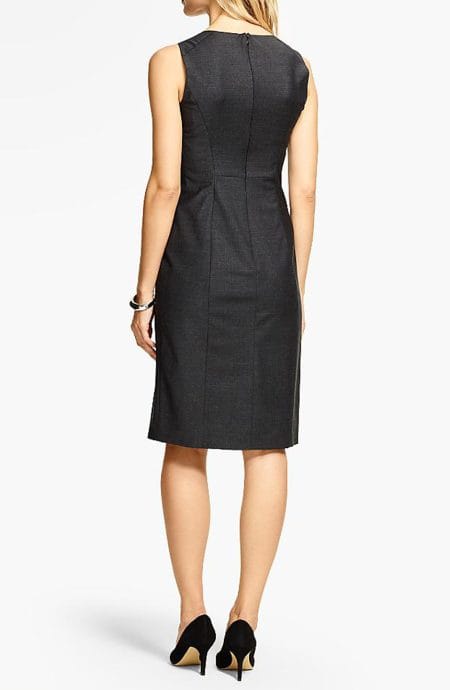
This is the power of a single, perfect dress. We’ve elevated the timeless sheath with the luxurious feel and subtle sheen of season less wool, creating your one-stop solution for looking polished and confident at any wedding, cocktail party, or special event on your calendar.
Select options This product has multiple variants. The options may be chosen on the product page - $539.00 USD
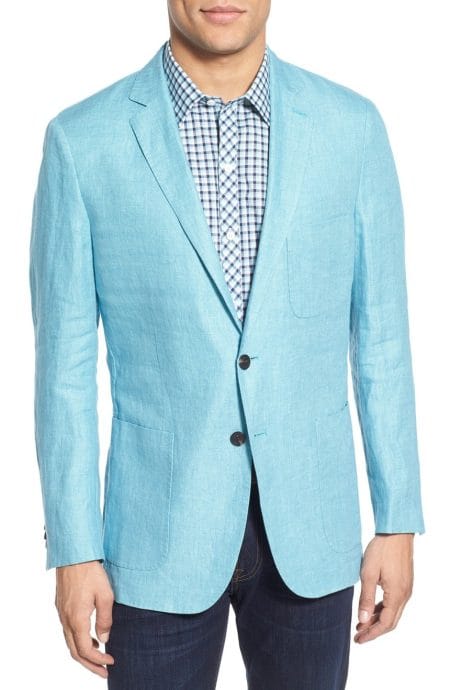
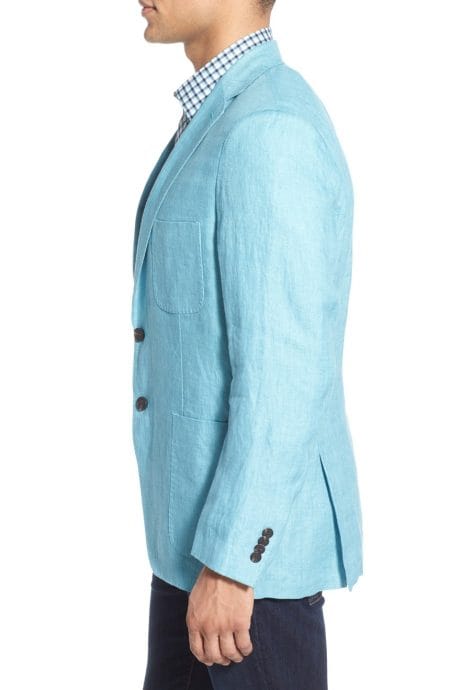
Most linen jackets are designed for display, not for the body that wears them. Linen makes that difference impossible to hide because its beauty lies entirely in the fit and drape. This men’s unlined linen jacket is custom-made to your exact measurements in 100% pre-washed linen, fully unstructured and available in 18 colors. Every order includes a complimentary test jacket, allowing the fit to be perfected before your final garment is cut.
Select options This product has multiple variants. The options may be chosen on the product page - $259.00 USD
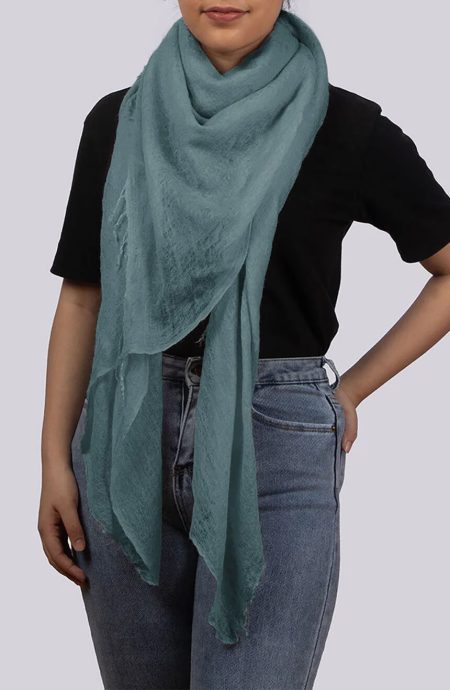
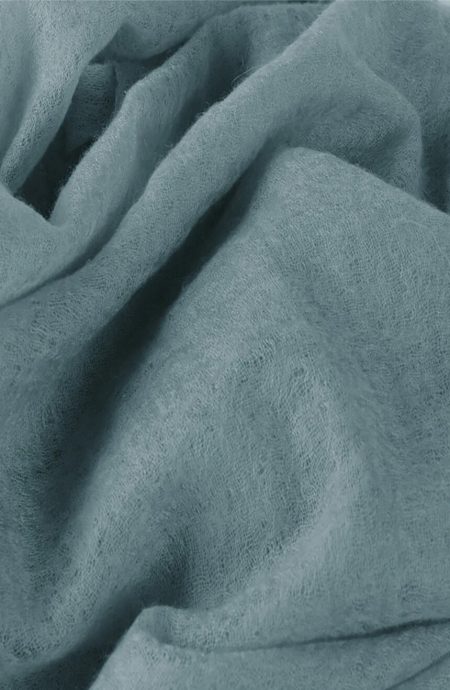
A light teal scarf in 100% Grade A cashmere, 40 x 80 inches, woven by hand in Kathmandu. A soft, muted blue-green that goes with black, denim, gray and navy, light enough to carry and wide enough to wear as a shawl. Handmade to order and delivered within 2 to 3 weeks, with free tracked shipping worldwide.
- 100% cashmere, 14 to 16 microns, no wool, viscose or acrylic
- 40 x 80 inches (1 m x 2 m), about 70 g (2.5 oz)
- Wear it loose, long or wrapped high
- Fiber from the Tibetan Plateau, handwoven in Nepal
- Azo-free dyes
- $199.00 USD
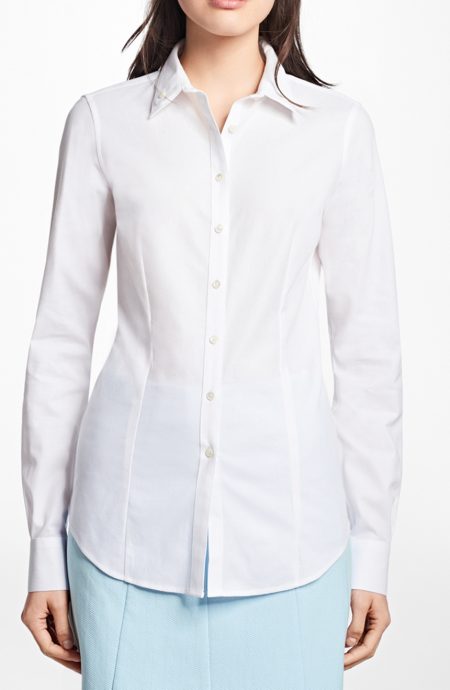
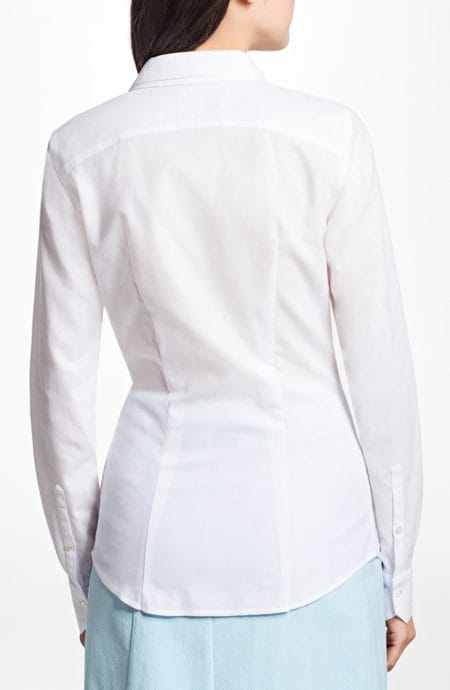
This is the end of the frustrating search for a shirt that truly fits. Our Women’s Tailored Shirts solve the most common fit problems with perfectly placed darts and a unique double collar, all confirmed with a free test garment. It’s the secret to achieving a flawless, gap-free silhouette that looks sharp, polished, and custom-made.
Select options This product has multiple variants. The options may be chosen on the product page




Related products
- $699.00 USD
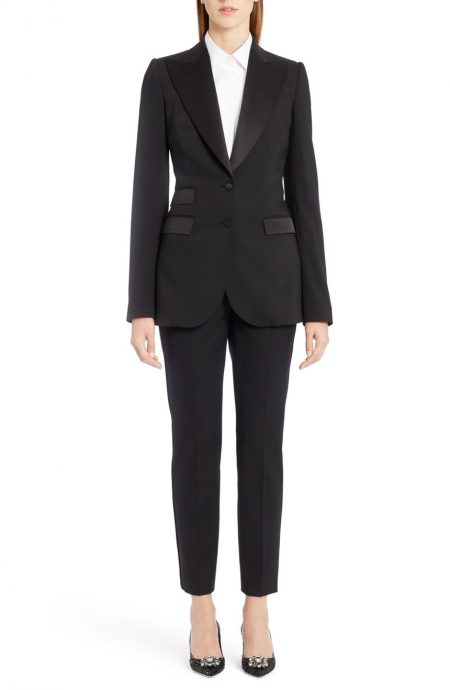
This is your wardrobe’s ‘master key.’ The Essential Black Pant Suit is custom-tailored from a luxurious wool-cashmere blend for a flawless, powerful silhouette. This perfect fit is guaranteed—our process includes a free test suit sent to your home for approval. It’s confidence, tailored.
Select options This product has multiple variants. The options may be chosen on the product page - $239.00 USD
Wide leg linen pants for women in 100% linen, cut as real trousers with a flat front, belt loops, welt back pockets and a pressed crease, and made to your measurements. The front of each leg is lined to the knee in a satin lining you choose, so pale linen stays opaque and the wide leg swings instead of clinging. Choose from 18 linens and 34 lining colors, and try a free test pair before your linen is cut.
Select options This product has multiple variants. The options may be chosen on the product page - $239.00 USD
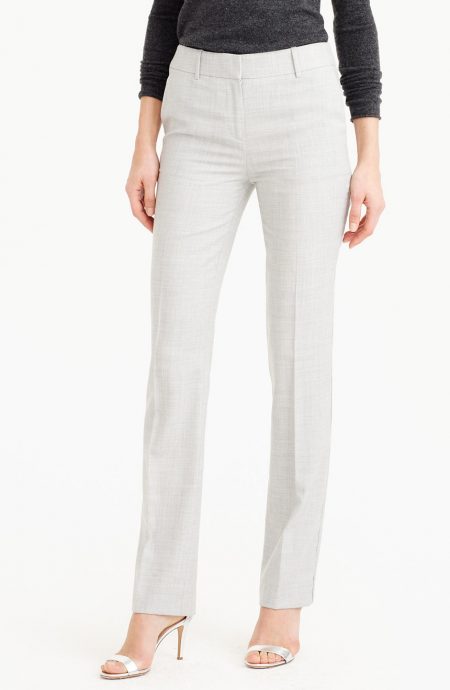
Women’s light gray tailored trousers made to your measurements in 9 oz Super 140s melange wool, with a classic straight leg. The front is lined to the knee, so the pale wool never shows through. A free test pair comes first, so you check the fit and length before your wool is cut. 14 colors, $239.
Select options This product has multiple variants. The options may be chosen on the product page  $239.00 USD
Most women’s dress pants have no back pockets, or pockets stitched shut. These have two real back pockets that open all the way, plus slanted front pockets, in a straight-leg trouser cut to your measurements in a breathable mohair wool blend. Prefer flap or buttoned back pockets? Just ask in the comment box on the measurement form, at the same price. Before we cut the cloth, we send you a free test pair to try at home, and it is yours to keep.
Select options This product has multiple variants. The options may be chosen on the product page- $229.00 USD
This is the wardrobe workhorse you’ve been searching for. Our Women’s Black Skirt for Work is crafted from wrinkle-resistant, breathable Fresco wool, a high-performance fabric perfect for long days. Combined with a flawless custom fit, it’s the single most reliable, versatile, and hard-working piece you can own.
Select options This product has multiple variants. The options may be chosen on the product page - $239.00 USD
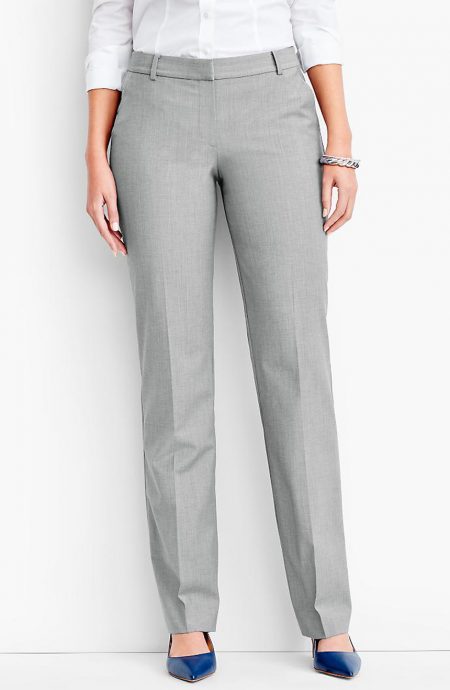
Women’s lined wool trousers in 9 oz Super 160s wool, 100% wool, made to your measurements. Lined to the knee as standard, or fully lined to the hem if wool makes you itch, or unlined for hot weather: your choice, at the same price. Flat front, gently tapered leg, slanted front pockets and two back pockets, in seven work colors. A free test pair comes first, so the fit is confirmed before your wool is cut.
Select options This product has multiple variants. The options may be chosen on the product page - $239.00 USD
Slim tailored bootcut trousers for women in 9 oz Super 140s wool, made to your measurements. Slim through the hip and thigh, opening gently from the knee, and hemmed for the heels you will wear. Before your wool is cut, you try a free test pair at home to set where the leg opens and where the hem falls. Front lined to the knee in your choice of lining, in 13 colors from black to cobalt.
Select options This product has multiple variants. The options may be chosen on the product page - $229.00 USD
The difference between a chic midi skirt and a frumpy one is a matter of inches. Our Women’s below the knee pencil skirt solves this with a guaranteed custom-tailored length, perfected with our free test skirt process. It’s the secret to achieving a sophisticated silhouette that is always flattering and never matronly.
Select options This product has multiple variants. The options may be chosen on the product page - $699.00 USD
This is the strategic answer to a demanding schedule. Our bespoke wool flannel suit dress is engineered as a single, cohesive uniform of power, combining a tailored jacket and a matching sheath dress in soft, luxurious wool flannel. It’s the secret to projecting an image of being instantly, impeccably put-together.
Select options This product has multiple variants. The options may be chosen on the product page - $699.00 USD
For the woman who knows a dress isn’t the only answer. Our Female Tuxedo is not a costume; it’s an icon, re-engineered. Its power lies in combining authentic tuxedo details, like satin shawl lapels and roped shoulders, with a bespoke fit that sculpts a uniquely feminine silhouette. This is your statement of unapologetic elegance.
Select options This product has multiple variants. The options may be chosen on the product page - $229.00 USD
A pinstripe is only as powerful as its line. Our Navy Blue Striped Skirt solves the biggest challenge of this pattern with a guaranteed custom fit that ensures every stripe hangs perfectly straight and true. This is the secret to a sharp, elongating silhouette that projects pure confidence.
Select options This product has multiple variants. The options may be chosen on the product page - $699.00 USD
This is the tuxedo, not a “female version” of it. Our Menswear-Inspired Tuxedo for Women is built with authentic, bespoke details like roped shoulders and dramatic satin wing-peak lapels. It’s a masterpiece of classic tailoring, custom-fitted to honor the female form.
Select options This product has multiple variants. The options may be chosen on the product page






Necktie Size Guide
Necktie Size Guide: Length, Width, and How to Choose
Two numbers decide whether a tie sits right: how long it is, and how wide the blade is. Every Baron Boutique necktie is made 60 inches long, in three widths: skinny at 2 inches, standard at 3 inches, and extra large at 3.75 inches. Custom lengths and widths cost nothing, because every tie is cut after you order it. This guide explains what those numbers mean, how to measure them, and how to choose.
Necktie size chart
| Size | Head width, narrow end | Blade width, wide end | Length |
|---|---|---|---|
| Skinny | 1 1/2 in, 3.8 cm | 2 in, 5.1 cm | 60 in, 152 cm |
| Standard | 1 3/4 in, 4.4 cm | 3 in, 7.6 cm | 60 in, 152 cm |
| Extra Large | 1 3/4 in, 4.4 cm | 3 3/4 in, 9.5 cm | 60 in, 152 cm |
Custom necktie length and width are available on request. A few extra inches of length cost nothing.
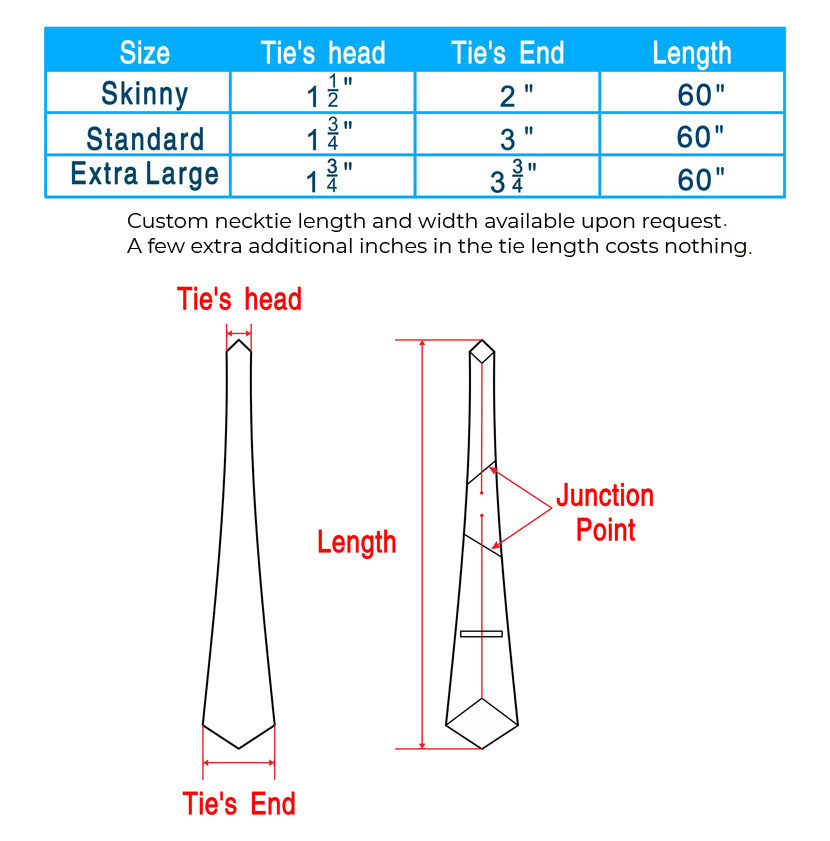
How a necktie is measured
Three measurements describe any necktie. Once you know them, every size chart in the world becomes readable.
- Length
- Tip to tip along the center of the tie, laid flat and untwisted. This is the number that decides where the tie ends on your body.
- Blade width, which we call the tie’s end
- Measured straight across the widest point of the wide end. When anyone says a tie is 3 inches, this is what they mean.
- Head width, which we call the tie’s head
- Measured across the narrow end, the tip that finishes behind the blade. It is narrower than the blade on every classic tie.
- Junction point
- A silk tie is cut on the bias in separate panels, then joined. The junction point is where those panels meet. It is a construction landmark rather than a fitting one, but it tells you the tie was cut properly rather than stamped out in one straight piece.
Which tie width should you choose?
The rule that matters more than any other: match the blade to your lapel. Measure the widest point of your jacket lapel and pick the tie width within about half an inch of it. A 3 inch tie against a 3.25 inch lapel looks considered. A 2 inch tie against a 4 inch lapel looks like an accident.
| Width | Blade | Suits |
|---|---|---|
| Skinny | 2 in | Narrow lapels, slim frames, shorter wearers, informal and evening looks where the tie is meant to read as a line rather than a statement. |
| Standard | 3 in | Most notch lapels, most builds, business and wedding wear. If you own one tie, own this width. |
| Extra Large | 3 3/4 in | Peak lapels, broad shoulders and chest, taller wearers, and anyone who wants the tie to carry visual weight against a heavier cloth. |
Build matters too, because a tie is read against the width of your chest. As a rough guide, slimmer frames sit well between 2.25 and 2.75 inches, average and athletic frames between 2.5 and 3.25 inches, and broader frames between 3 and 3.5 inches. Our three stock widths bracket that range, and anything in between can be cut for you.
If we are making the jacket as well, tell us and we will cut the tie to the lapel we are cutting for you. That is the one advantage of ordering both from the same workshop.
How long should a necktie be?
The tip of the blade should end at the middle of your belt buckle, or at the top of your waistband if you are not wearing a belt. That is the whole target. Everything else is arithmetic working back from it.
Most ties on the market are 57 to 58 inches. We make ours at 60 inches as standard, which covers most wearers up to roughly 6 feet 2 inches with a four-in-hand or a half Windsor. Four things eat into that length:
- Height. A longer torso needs a longer tie. Above about 6 feet 2 inches, ask for 62 to 64 inches.
- The knot. A full Windsor uses roughly 4 to 6 inches more silk than a four-in-hand.
- Build. A fuller chest and waist means the tie travels further before it hangs free.
- Where your trousers sit. A low waistband puts the buckle further down, so the tie has to reach further. A high-rise waistband needs a shorter tie, not a longer one.
If two of these apply to you at once, add length. It is free, and a tie that is slightly long can be absorbed by a bigger knot, while a tie that is short cannot be fixed at all.
How much length does your knot use?
| Knot | Length used | Pairs with |
|---|---|---|
| Four-in-hand | Least | Any width. Slightly asymmetric, which is part of its character. The safe choice with a skinny tie or a narrow collar. |
| Half Windsor | A little more | Standard width and most collars. Symmetrical without being heavy. |
| Full Windsor | About 4 to 6 in more than a four-in-hand | Standard or extra large width with a spread collar. Ask for extra length if you tie this every day. |
Cloth weight compounds this. A three-fold silk tie with a wool interlining, which is how ours are built, ties a fuller knot than a thin lined tie of the same width, so allow for it rather than being surprised by it.
How to measure a tie you already own
The fastest way to order a tie that fits is to measure one that already does.
- Lay the tie flat on a table, untwisted, seam side down. Do not stretch it.
- Run a tape along the center from the tip of the wide end to the tip of the narrow end. That is the length.
- Measure straight across the widest point of the wide end. That is the width.
- Send us both numbers. If your favorite tie ends exactly where you want it, we will match that length rather than guess from your height.
Bias-cut silk stretches slightly under tension. Measure it relaxed, not pulled taut, or you will order a tie an inch shorter than you meant to.
What our neckties are made of
Construction changes how a tie knots and how it hangs, so it belongs in a sizing guide rather than a separate story.
- 100 percent satin silk at 18.5 momme, about 80 grams per square meter.
- Cut on the bias at 45 degrees, which is what lets the tie hang straight and recover its shape rather than twisting.
- Three-fold construction, interlined in wool and lined in silk.
- Hand slip stitched, self-tipped, with a bar tack on the blade.
- Handmade to order by our tailors in Kathmandu.
The wool interlining is the part that matters for sizing. It gives the knot body, which is what makes a small four-in-hand hold its shape, and it is also why the knot takes a little more silk than a lightweight tie would.
Pocket square sizing
The pocket square in our tie and pocket square set is 17 inches square with a hand-stitched edge. That size gives enough volume for a classic fold without bulking out the breast pocket. A larger or smaller square can be made at no extra cost, and it is cut from the same bolt of silk as the tie so the color matches exactly.
Custom lengths and widths
Every tie is cut after your order is placed, so a custom size is not an upgrade. It is simply how we work, and it is free. Send us whichever of these you know:
- Your height, and roughly where your waistband sits.
- The knot you tie most often.
- The lapel width of the jacket you will wear it with.
- The length of a tie you already own and like.
Any one of these is enough to start. If you send the last one, we barely have to guess at all.
Caring for a silk necktie
- Dry clean only. Silk and water do not forgive each other.
- Untie the knot by reversing the steps you used. Pulling the narrow end through the knot stretches the bias and shortens the life of the tie.
- Roll the tie loosely or hang it, and give it a day between wears so the bias can relax back.
- If it creases, hang it in a steamy bathroom rather than pressing it. A hot iron flattens the roll of the edges, which is the part a hand-finished tie is built for.
Necktie sizing questions
What is the standard necktie length?
Most neckties sold today are 57 to 58 inches long. Every Baron Boutique necktie is made at 60 inches, about 152 cm, in all three widths. The extra length gives you room for a larger knot or a taller frame without ordering a special size.
Where should the tip of a necktie end?
At the middle of your belt buckle, or at the very top of your waistband if you are not wearing a belt. Ending above the buckle looks unfinished. Ending below it makes the whole outfit read as borrowed.
What tie width should I wear?
Match the widest point of the blade to the widest point of your jacket lapel, within about half an inch. Our standard 3 inch blade suits most notch lapels. The 2 inch skinny suits narrow lapels and slimmer frames. The 3.75 inch extra large suits peak lapels, broad shoulders and taller wearers.
Do you make extra long neckties?
Yes. Our standard is already 60 inches, and we will cut it longer at no extra cost. Tell us your height, the knot you tie, and where you want the tip to land, and we will work the length back from there.
How do I measure a necktie?
Lay the tie flat and untwisted, seam side down. Measure along the center from the tip of the wide end to the tip of the narrow end for the length. Measure straight across the widest point of the wide end for the width. Those two numbers are all we need.
Does a Windsor knot need a longer tie?
Yes. A full Windsor uses roughly 4 to 6 inches more than a four-in-hand, because it wraps the blade twice. If you tie a full Windsor and you are over 6 feet tall, ask us for extra length rather than living with a short blade.
What is the difference between skinny, standard and extra large?
Only the blade width. Skinny is 2 inches, standard is 3 inches, extra large is 3.75 inches. All three are 60 inches long, and all three are cut from the same 18.5 momme satin silk with the same construction.
What tie size suits a tall man?
Above roughly 6 feet 2 inches, or if you tie a full Windsor, ask for 62 to 64 inches. A wider blade also balances a longer torso, so the extra large width is often the better match at that height.
Can I order a custom width or length?
Yes, and it costs nothing. Width, length, and colors outside our standard library are all part of a made-to-order commission. Every tie is cut after your order is placed, so there is no stock size to work around.
What is the tie’s head and the tie’s end?
The head is the narrow tip that finishes behind the blade. The end is the wide tip that hangs in front, and it is the measurement people mean when they say a tie is 3 inches. The junction point is where the cut panels are joined.
How big is the pocket square?
The pocket square in our tie and pocket square set is 17 inches square, finished with a hand-stitched edge, which gives enough body for a classic fold. A different size can be made at no extra cost.
How should I care for a silk necktie?
Dry clean only. Untie the knot by reversing the steps rather than pulling the blade through, roll the tie loosely or hang it, and let it rest a day between wears so the bias cut can recover.
Order a tie in your size
All three are handmade in satin silk, in skinny, standard or extra large, with custom length and width at no extra cost.
Solid color silk neckties
Two face silk neckties
Tie and pocket square set
Not sure which width suits the suit you already own? Send us the lapel measurement and we will tell you honestly, even if the answer is the tie you already have.
About Baron Boutique
Founded in Kathmandu, Nepal in 2000, Baron Boutique has spent over 25 years creating bespoke garments with a focus on artisanal craftsmanship, dramatic design, and collector-quality tailoring. From cinematic-inspired coats and formalwear to handcrafted cashmere pieces, every garment is made with precision, individuality, and attention to detail.
Today, Baron Boutique operates internationally from Dubai while all bespoke tailoring and garment production remains rooted in the Kathmandu workshop where the brand began.
Our customers come back because the fit is right and we answer emails. Every garment is made by a human tailor whose name we know.

Reviews
There are no reviews yet.