100% Himalayan Hemp Fabric and Clothing, Handwoven in Nepal
Hemp fabric by the meter and finished hemp garments, from a plant grown between 1,500m and 3,000m in the Nepal Himalayas without pesticides. Buy the cloth, or buy the shirt.
Hemp in Short
The answers to the questions people actually arrive with, before the longer story.
| Is hemp natural or synthetic? | Natural. It is a plant fiber, like linen and cotton. Nothing petroleum-based goes into it, and it sheds no microplastics |
|---|---|
| How strong is it? | About three times the tensile strength of cotton. A well-made hemp garment lasts 20 years or more, against 2 to 5 for synthetics |
| Does it feel rough? | No. Handwoven hemp feels close to linen, and it softens with every wash rather than degrading |
| Where is ours grown? | Between 1,500m and 3,000m in the Nepal Himalayas, without pesticides, herbicides or synthetic fertilizers |
| Fabric weights | 150gsm for summer weight up to 400gsm for outerwear and upholstery |
| Weaves | Plain, twill, herringbone, and custom patterns |
| Colors | Over 350 hand-dyed azo-free colors, with Pantone matching |
| Buying fabric | By the meter, from 10 meters |
| Buying clothing | Made to your measurements, no minimum. A single piece is a valid order |
| Private label garments | From 10 pieces per style |
| Where we ship | Worldwide with tracking. Orders typically arrive 1 to 2 weeks after production |
What We Make: Hemp Fabric and Hemp Clothing

Hemp fabric and finished hemp garments from the same cloth. Both are available.
Two ways in. You can buy the cloth and make something yourself, or you can have us make the garment. It is the same hemp either way, from the same fields and the same looms.
Hemp fabric by the meter

Hemp fabric by the meter, from 150gsm shirting to 400gsm outerwear weight.
- From 10 meters. Low enough for a capsule collection or a single project.
- 150gsm to 400gsm. Summer shirting at the light end, outerwear and upholstery at the heavy end.
- Plain, twill and herringbone, plus custom weaves. Each behaves differently for drape, durability and texture.
- Hemp-linen blends where you want the hand of linen with hemp’s strength.
- Over 350 hand-dyed colors with Pantone matching, using azo-free dyes.
Hemp clothing
Made to your measurements by our tailors, with no minimum. One piece is a valid order.
- Hemp shirts and tunics. Breathable everyday wear that adapts to your body and improves with every wash. Structured button-through shirts or relaxed pull-on styles.
- Hemp pants and bottoms. Durable, comfortable and built to last decades rather than seasons.
- Hemp jackets and outerwear. Alpine-grade hemp gives natural insulation and wind resistance, so weather protection comes from the fiber rather than a coating.
- Hemp scarves and shawls. Lightweight and hand-loomed, each carrying the slight irregularity that machine weaving cannot reproduce.
- Custom hemp garments. Suits, dresses, and anything else you can specify. If you want a hemp T-shirt, a jumpsuit or a coat that does not exist in our range, that is this service rather than a stock line.
For designers and brands
- Fabric from 10 meters, so you can sample without funding a roll.
- Private label garments from 10 pieces per style, with your branded labels, packaging and hang tags.
- Custom design development from concept to prototype, with sampling before you commit.
- Cut, make and trim if you already have your own hemp designs and patterns.
- Pantone matching against your brand colors, with azo-free natural dyes.
For retailers
- Hemp scarves, clothing and accessories for boutiques and lifestyle stores.
- Private label options, so the collection carries your name rather than ours.
- Wholesale pricing with product photography and descriptions supplied for your own listings.
- Made to order, not from stock. Every piece is woven and sewn after you order it, so nothing sits in a warehouse losing value.
Why Hemp: A Natural Fiber That Performs

100% hemp fabric at close range. The weave irregularity is the mark of hand-looming, not a flaw.
As consumers move away from synthetic materials, they are finding that hemp is nature’s engineered fabric.
- 100% natural fiber. Pure plant-based textile, with no synthetic chemicals or petroleum derivatives.
- Stronger than cotton. Three times the tensile strength, so garments last years rather than seasons.
- Softens with every wash. Unlike synthetics, which deteriorate, hemp becomes more comfortable over time.
- Naturally antimicrobial. Resists odor and bacteria without chemical treatment.
- UV protection built into the fiber rather than applied to it.
- Breathable and temperature regulating. Cool in summer, warm in winter.
- Biodegradable. Returns to earth without leaving microplastic behind.
- Hypoallergenic. Gentle on sensitive skin, free from harsh chemicals.
The Himalayan Advantage: What Altitude Does to the Fiber

Hemp growing between 1,500m and 3,000m. The altitude is the reason the fiber behaves differently.
Most industrial hemp is grown on flat, low-level plains. Ours is cultivated between 1,500m and 3,000m in the Himalayas, and that environment changes the fiber in two measurable ways.
- More lignin. At altitude, plants face intense UV-B radiation. The hemp responds by producing more lignin, a natural polymer that armors the fiber, which is why alpine-grown hemp carries higher UV protection and durability than low-altitude hemp.
- Denser cellulose. Mountain wind and cold trigger thigmomorphogenesis, a growth response that builds thicker, more flexible stems with a higher density of crystalline cellulose. That is where the strength comes from.
- Cleaner input. Mineral-rich snowmelt and air without industrial pollution, which matters if your skin is sensitive.
- Chemical-free cultivation, with no pesticides, herbicides or synthetic fertilizers
- Natural rainfall irrigation, a minimal water footprint against conventional cotton
- Handpicked by local farmers, traditionally processed, handwoven by Nepalese artisans
- Quality inspected before shipping worldwide
Hemp vs Polyester, and Hemp vs Other Natural Fibers

Natural hemp against synthetic polyester. The difference is structural, not cosmetic.
| Feature | 100% Natural Hemp | Polyester (Synthetic) |
|---|---|---|
| Origin | Plant-based, renewable | Petroleum-based plastic |
| Biodegradability | Fully compostable in 6 months | Takes 200+ years to decompose |
| Skin feel | Gets softer with wear | Traps heat and sweat; degrades |
| Breathability | Temperature regulating | Traps moisture and heat |
| Microplastics | Zero shedding | Releases microplastics into water |
| Health | Naturally antimicrobial | Requires chemical coatings |
| Eco-footprint | Minimal water, enriches soil | High carbon, toxic production |
| Allergies | Hypoallergenic, chemical-free | Can cause skin irritation |
| Durability | Lasts 20+ years | Deteriorates in 2 to 5 years |
Against cotton and linen
- Uses 50% less water to grow than cotton, and needs no pesticides because it is naturally pest-resistant
- Three times stronger, and it enriches soil rather than depleting it
- Softer over time, with better moisture management and superior UV protection
- Plant-based and vegan, with similar thermal properties to wool and no animal proteins
The People Behind the Weave

Three generations at the loom. The craft is inherited, not trained in a week.
Every meter carries the story of the artisan communities who have worked this craft for generations. Our hemp is harvested by local farmers in remote villages of Nepal, with no industrial harvesters, only skilled hands selecting stalks at the right moment.
The fabric is hand-loomed by Nepalese weavers, many of them in women-led cooperatives. Because it is hand-woven, it carries a human signature: subtle variations in texture that machine-made fabric cannot reproduce.
For our artisans, hemp is a plant used in traditional rituals and festivals. Buying it here means fair-trade compensation that keeps those communities working and preserves knowledge that industrialization would otherwise erase.
- Fair wages above market rates
- Safe, dignified working conditions
- Preservation of traditional techniques
- Economic support for rural families
- Cultural heritage protection
Sustainability and Transparency

Chemical-free processing, by hand, in Nepal.
- Chemical-free cultivation. No pesticides, herbicides or synthetic fertilizers.
- Azo-free natural dyes. Plant-based and mineral dyes, low-water techniques, colorfast treatment.
- Fair trade practices. Direct relationships with Himalayan artisan communities.
- Zero waste production. Every part of the hemp plant is used.
- Full traceability, from the field to your door.
Hemp uses 50% less water than cotton, needs no pesticides, enriches soil rather than depleting it, absorbs more CO2 than most plants, and is fully biodegradable.
Over 350 Hand-Dyed Colors Available
We offer over 350 azo-free, naturally dyed colors, and can Pantone-match to your branding or design theme.
- Plant-based and mineral dyes
- Azo-free formulations
- Low-water techniques
- Colorfast treatment for longevity
From earthy neutrals to jewel tones, the range lets you build the exact aesthetic you want, whether that is understated or a statement.
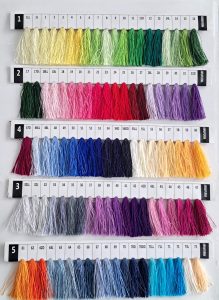
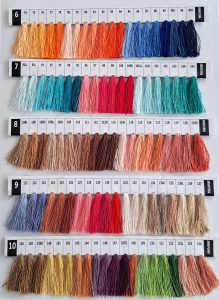
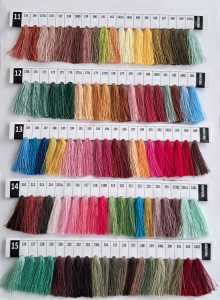
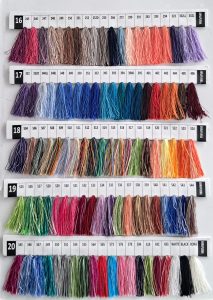
Our hand-dye range. These charts are shot from our cashmere dyeing, and the same azo-free dyes and Pantone matching apply to hemp.
How It Is Done

Raw fiber to finished cloth. Every stage happens by hand in Nepal.
1. Tell us what you need
- Fabric by the meter, custom clothing, private label, or wholesale
- Weave type, weight and color palette
- Quantities and timeline, from a single piece to a bulk order
- Any budget constraints, so the answer is realistic rather than flattering
2. Samples and approval
- Fabric swatches, so you can feel it before committing
- Color samples for Pantone matching
- Prototype development to test fit and construction
- Revisions until it is right
3. Production and delivery
- Hand-loomed by Nepalese weavers, then cut and sewn
- Each piece inspected before packing
- Tracked worldwide shipping, typically arriving 1 to 2 weeks after production
- Care instructions included
Whether you are ordering 10 meters for a capsule or launching a full line, the process is the same.
Start Your Natural Hemp Enquiry
Tell us whether you want fabric, a finished garment, or a production run, roughly how much, and when you need it.
Frequently Asked Questions